
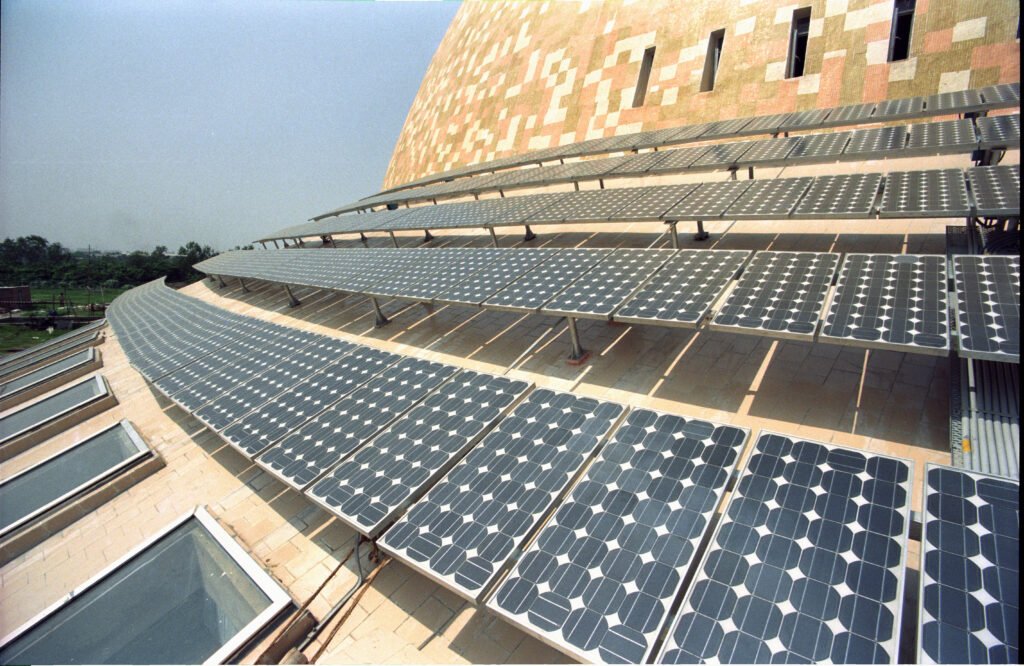
India Adds 6.6 GW of Rooftop Solar in First Half of 2026, Up 131% Year-on-Year
India added 6.6 GW of rooftop solar capacity in the first half of 2026, marking a 131% increase over the same period the previous year, according to industry tracking data. This surge places rooftop solar as one of the fastest-growing segments within India’s broader renewable energy build-out, which saw the country add a record 27 GW of solar capacity overall in the same period.
The residential segment in particular has been the standout performer, reportedly driving the bulk of this growth, a trend directly linked to the continued rollout of PM Surya Ghar Yojana subsidies alongside falling equipment costs. As more DISCOMs streamline their net metering and inspection processes, the time from application to a working, grid-connected rooftop system has also been shrinking, removing one of the historical barriers to adoption.
What’s particularly encouraging in this data is the geographic spread — growth isn’t confined to a handful of metro markets but is increasingly visible across smaller cities and semi-urban areas, aided by state-specific programs layered on top of the central scheme. For India’s broader 2070 net-zero commitment, rooftop solar plays an outsized role because it adds clean generation capacity without requiring new land acquisition or large transmission infrastructure — the panels go directly where the power is consumed.
Industry watchers expect this momentum to continue through the rest of 2026, particularly as awareness spreads about the combined savings from subsidies, net metering credits, and reduced monthly electricity bills. For homeowners still on the fence, the data suggests the market has moved decisively past the early-adopter phase into mainstream acceptance.