
Bifacial vs Monofacial Panels: Do Both Sides Really Pay Off?
Category: Solar Panel Design
Key differentiator: Rear-side light capture
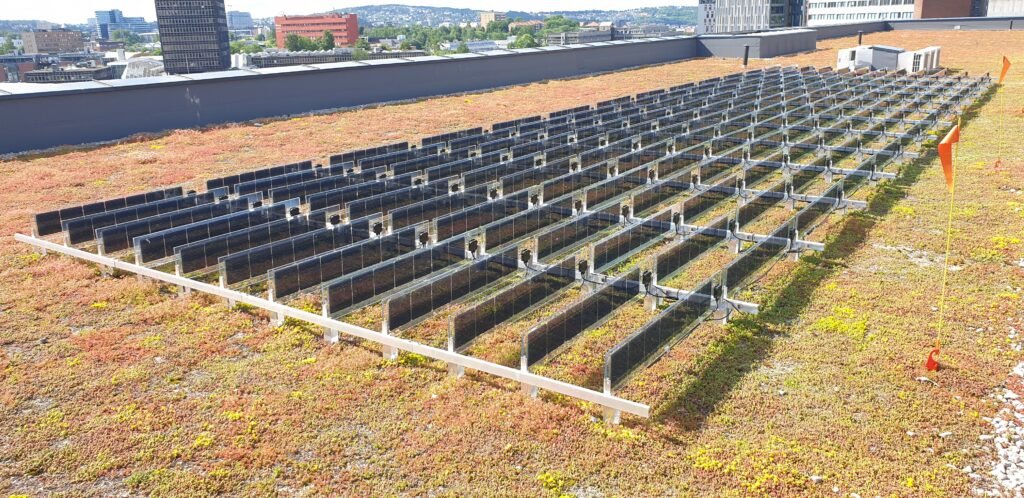
Monofacial panels — the traditional design — generate power only from light hitting their front surface. Bifacial panels use a transparent backsheet or dual-glass construction that lets the rear side capture reflected and diffuse light as well, adding to total energy yield without needing extra roof or ground space.
Real-world gain: The additional yield from the rear side varies widely depending on installation specifics — typically higher for ground-mounted systems over reflective surfaces (light-colored gravel, sand, or snow) and elevated racking that lets light reach underneath the panel, and considerably lower or negligible for panels mounted flush against a dark rooftop with little gap or reflectivity behind them.
Best-fit applications: Utility-scale ground-mount plants, carports, and floating solar installations tend to see the most benefit from bifacial technology, since these setups can be engineered with the right mounting height and albedo (reflectivity) to actually realize the rear-side gain. Standard residential rooftop installations, where panels sit close to the roof surface, generally see a smaller benefit relative to the added panel cost.
Practical guidance: Before paying a premium for bifacial panels, ask the installer for a realistic rear-side yield estimate specific to the mounting height and ground surface planned for the project — the technology’s marketed efficiency gain only shows up under the right physical conditions.