
ALMM Only Covers Panels, Not Inverters — Here’s Why That Distinction Matters
Category: Inverters & Equipment Compliance
The mix-up worth clearing up: Buyers researching subsidized rooftop solar often assume ALMM (Approved List of Models and Manufacturers) covers their whole system. It doesn’t — it applies only to solar PV modules and, separately, solar cells. Inverters are governed by a different compliance track entirely.
What ALMM actually is: First published by MNRE in 2019 and updated quarterly, ALMM is an eligibility registry that solar panels and cells must appear on to be used in government-subsidized projects such as PM Surya Ghar or PM-KUSUM. Listed products must pass IEC 61215 (design qualification) and IEC 61730 (safety qualification) testing. The list has two tiers: List-I covers finished panels and has applied to all subsidized projects without exemption since being formalized in March 2021; List-II, introduced in July 2025, covers the solar cells inside those panels, and carries a temporary exemption for net-metering and open-access projects that runs until December 31, 2026, after which List-II compliance becomes mandatory for those categories too.
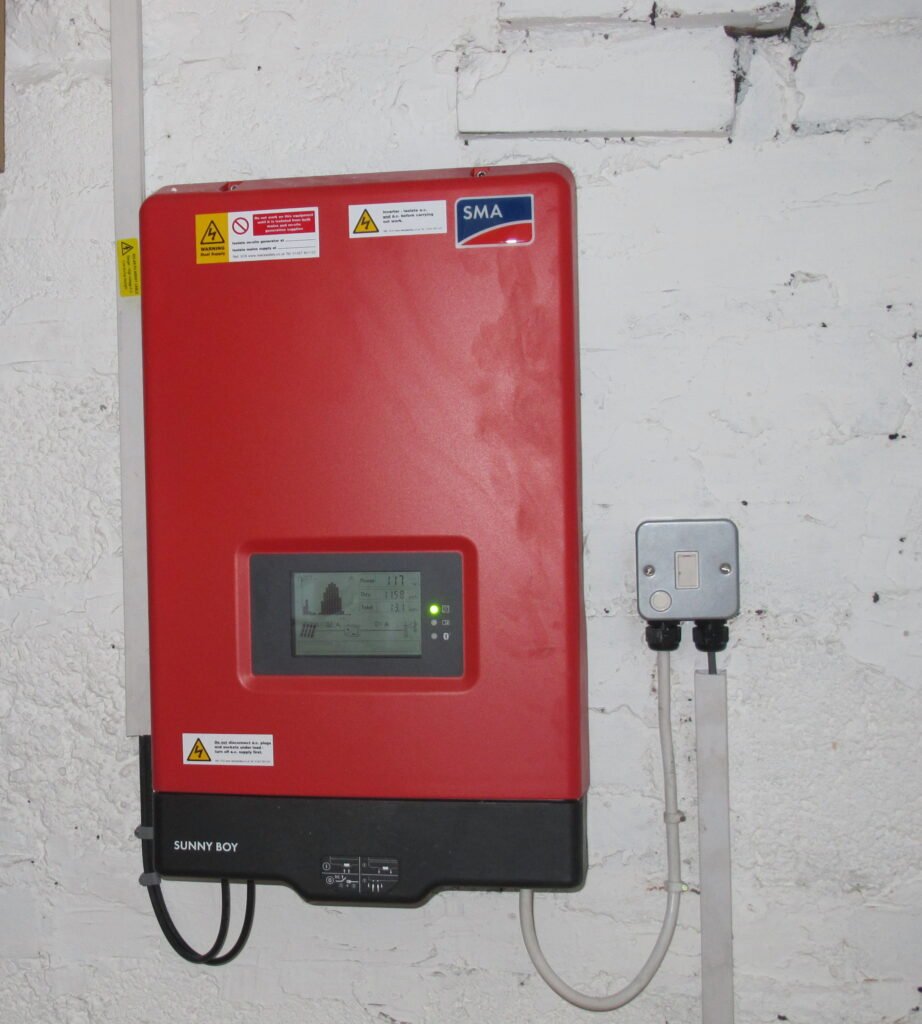
Where inverters actually fit in: Inverters fall under a separate MNRE-empanelled vendor list, and are checked against BIS (Bureau of Indian Standards) and IEC compliance requirements outside the ALMM framework altogether. This means a fully ALMM-compliant panel installation can still use an inverter of highly variable quality unless the buyer or installer separately confirms the inverter brand’s own empanelment and certification status — ALMM compliance on the panels tells you nothing about the inverter attached to them.
Why this matters when comparing quotes: Because ALMM compliance is now a well-known checkbox for buyers evaluating solar quotes, it’s easy to treat an installer’s mention of “ALMM-listed panels” as a stand-in for overall system quality. In practice, the inverter — which handles the actual DC-to-AC conversion, grid synchronization, and often the system’s smart monitoring — needs its own separate check against BIS certification and the MNRE vendor empanelment list, particularly for subsidized installations where both panel and inverter compliance affect subsidy disbursement.