
94,277 EVs and Counting: How PM E-DRIVE Is Playing Out Across Madhya Pradesh
Category: Electric Vehicles & State-Level Adoption
The scale, by the numbers: Under the central government’s PM E-DRIVE (Electric Drive Revolution In Innovative Vehicle Enhancement) scheme, Madhya Pradesh has deployed 94,277 electric vehicles in FY 2025-26, of which 88,209 received a direct subsidy under the scheme. Electric two-wheelers made up the overwhelming majority at 81,840 units, with electric three-wheelers accounting for a further 6,369 — the state recorded no subsidized electric buses in this period.
Where the adoption is concentrated: The district-level breakdown shows a clear urban-first pattern: Indore leads with 12,840 total EVs (11,347 two-wheelers and 1,493 three-wheelers), followed by Gwalior at 9,476, Jabalpur at 7,913, Bhopal at 6,622, and Ujjain at 3,622. This roughly tracks the state’s existing population and commercial-activity centers, which is typical for early-phase EV rollouts before infrastructure and dealer networks expand into smaller towns.
What PM E-DRIVE is actually funding: The scheme carries a ₹10,900 crore national outlay aimed at supporting roughly 28.3 lakh electric vehicles across categories, including a dedicated ₹4,391 crore allocation for 14,028 electric buses nationally, plus a separate ₹2,000 crore earmarked for public charging infrastructure. Madhya Pradesh’s current numbers sit entirely within the two- and three-wheeler segments, meaning the state’s bus electrification and much of its public charging buildout are still ahead of it rather than reflected in these figures yet.
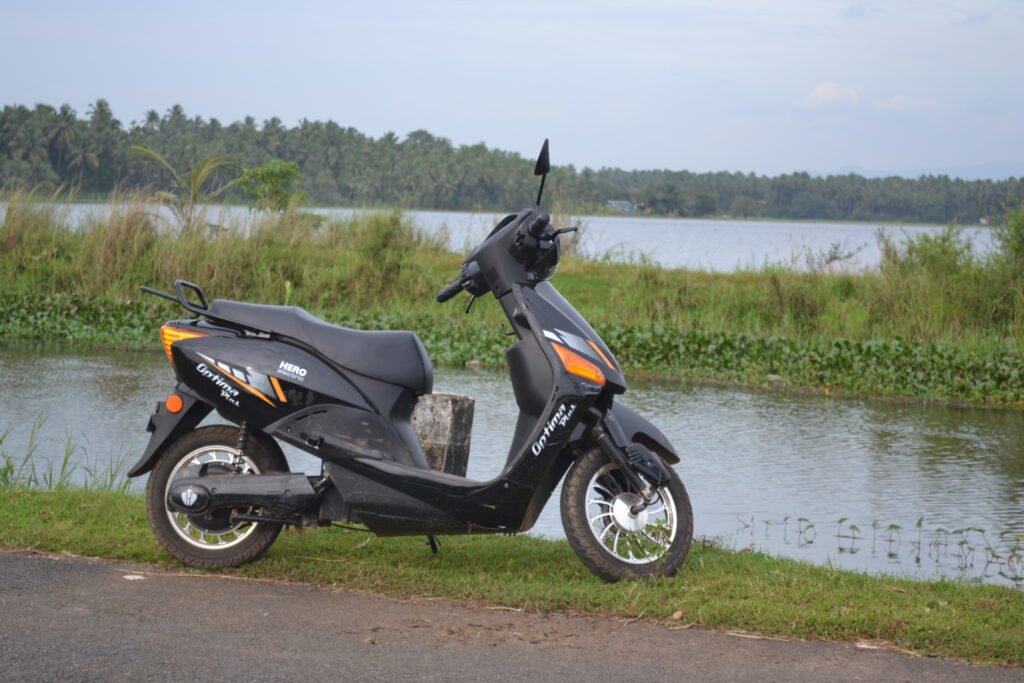
Why two-wheelers are leading, and what that means for buyers: Electric two-wheelers dominating adoption isn’t unique to Madhya Pradesh — it mirrors the national PM E-DRIVE pattern, since e-scooters carry a lower upfront cost and shorter typical daily range requirement than three-wheelers or buses, making the subsidy stretch further per vehicle sold. Buyers evaluating an e-scooter under this scheme in MP are effectively part of the largest, most mature slice of the program’s rollout so far, which also means dealer familiarity and service support for two-wheelers is likely to be furthest along.
What to watch next in MP: The real test for the state won’t be two-wheeler counts, which are already substantial, but whether the public charging infrastructure allocation and any state-level bus procurement actually show up in Madhya Pradesh’s district numbers over the next reporting cycle — that’s the signal that adoption is broadening beyond the easiest vehicle category to electrify first.