
India’s Battery Storage Push: 9.2 GWh of BESS Capacity Set for 2026
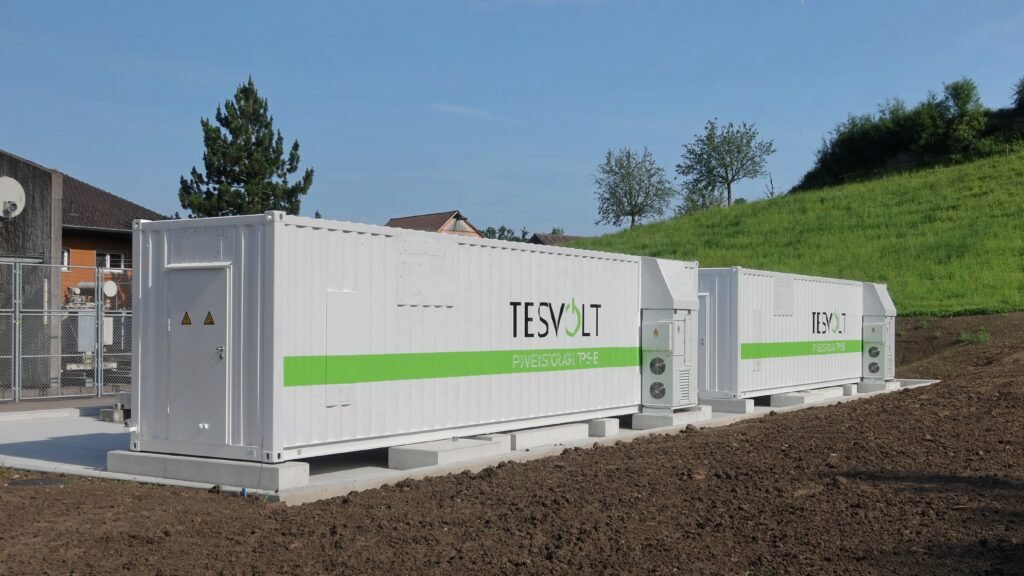
India’s battery energy storage system (BESS) sector is moving from the tendering phase into large-scale commissioning, with an estimated 9.2 GWh of storage capacity expected to come online through 2026. This follows a period in which more than 130 GWh worth of BESS tenders were issued, reflecting how central storage has become to India’s renewable energy roadmap.
Why does battery storage matter so much right now? Solar and wind power are inherently variable — solar generation drops to zero every night, and output dips during cloudy spells. As more of India’s grid capacity shifts to renewables, storage is what allows that clean power generated during the day to be used during evening peak demand hours, smoothing out the mismatch between generation and consumption.
The central government has backed this transition with viability gap funding (VGF) support, with recent allocations of roughly ₹5,400 crore aimed at making standalone battery storage projects financially viable at scale. For project developers and EPC contractors, this has translated into a wave of BESS tenders from both central agencies like SECI and various state DISCOMs looking to firm up their renewable capacity.
For solar consultancy clients and commercial rooftop owners, the BESS trend is increasingly relevant too — pairing a rooftop or captive solar system with battery storage allows for genuine backup power during outages, plus the ability to shift self-consumption to avoid peak-hour DISCOM tariffs where time-of-day pricing applies.
As battery costs continue to decline globally, expect BESS to move from a utility-scale-only conversation to a mainstream option for larger commercial and industrial solar installations across India.