
Lithium vs Lead-Acid Batteries for Solar Storage: What the Price Difference Buys You
Category: Solar Battery Chemistry
Common mistake: Comparing upfront price instead of cost per usable cycle
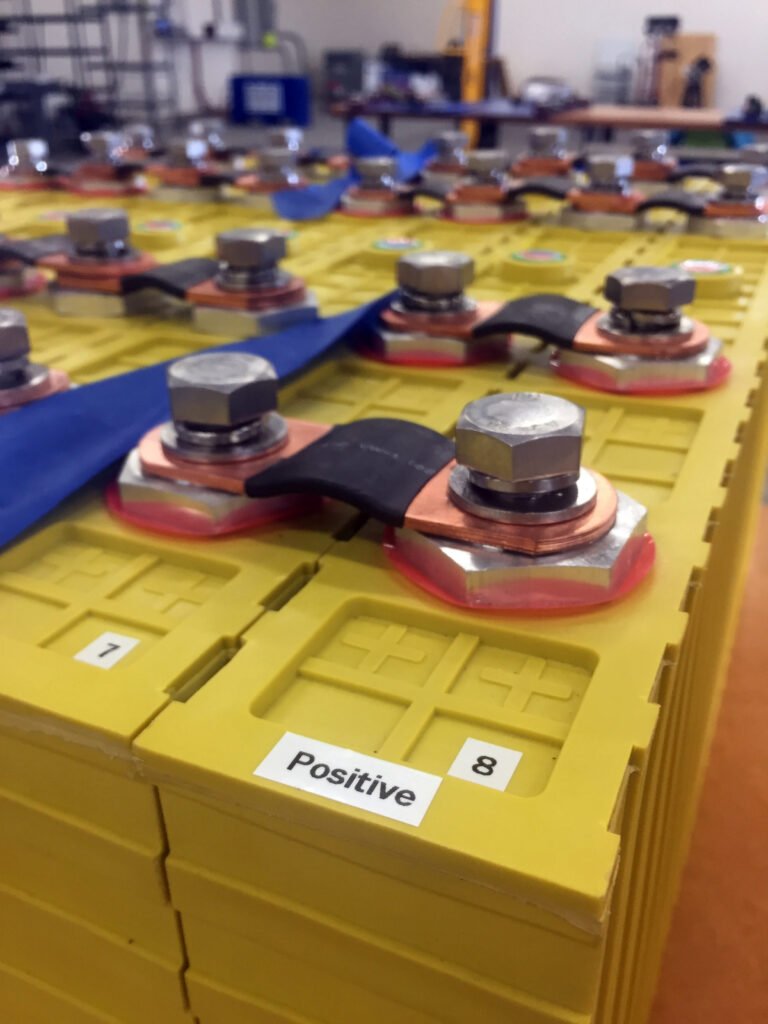
For home solar storage, the choice usually comes down to lead-acid (including tubular and gel variants) or lithium-based chemistries, most commonly LiFePO4 (lithium iron phosphate). The upfront price gap is real and often significant, but it tells only part of the story — the two chemistries differ sharply in usable capacity, cycle life, and space and maintenance needs.
Depth of discharge: A lead-acid battery is typically rated for a much shallower usable depth of discharge (often around 50%) to preserve its lifespan, meaning a nominal 200Ah lead-acid bank realistically delivers roughly 100Ah of usable capacity. LiFePO4 batteries commonly tolerate 80–90% depth of discharge without significantly shortening their lifespan, so a similarly rated lithium bank delivers substantially more usable energy from the same nominal capacity.
Cycle life: Lead-acid batteries typically last several hundred to around a thousand charge cycles before significant capacity loss, while LiFePO4 batteries commonly last several thousand cycles — often three to five times longer under comparable conditions. Over a 10–15 year solar system lifetime, this usually means at least one lead-acid replacement cycle, while a well-specified lithium bank can last the life of the system.
Weight, space and maintenance: Lithium batteries are considerably lighter and more compact per kWh of usable storage, and require no water top-ups or equalization charging, unlike flooded lead-acid batteries. This matters for installations with limited space, such as apartment balconies or small utility rooms.
The real comparison: When cost is measured per usable kWh delivered over the battery’s full lifespan — not sticker price per unit — lithium’s higher upfront cost is frequently offset or beaten by its longer life and deeper usable capacity, though lead-acid can still make sense for budget-constrained installations, backup-only use cases with infrequent cycling, or where the higher upfront capital simply isn’t available.