
Solar Water Heater Not Working Properly? Common Problems, Maintenance Tips & Solutions
A solar water heater can provide hot water using the sun’s energy while helping reduce electricity consumption. But like any outdoor equipment, it needs regular inspection and maintenance to perform efficiently.
If your solar water heater is producing less hot water, making unusual noises, leaking, or not working at all, don’t immediately assume that the entire system needs replacement.
Many common problems can be identified early—and sometimes simple maintenance can prevent a small issue from becoming an expensive repair.
In this guide, we’ll explain how a solar water heater works, common problems, maintenance tips, and when you should call a professional.
☀️ How Does a Solar Water Heater Work?
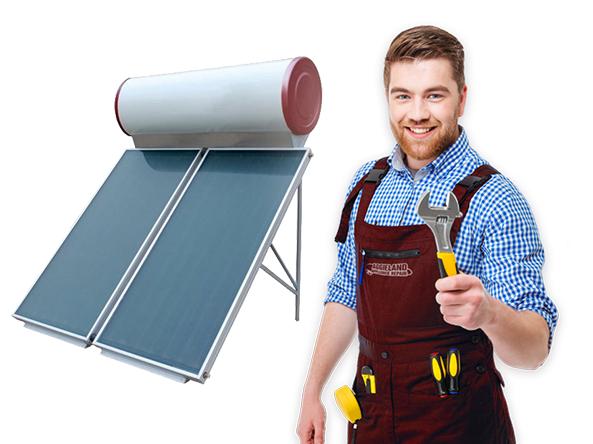
A solar water heater uses energy from sunlight to heat water. Depending on the system, it may use evacuated tubes or flat-plate solar collectors.
The heated water is then stored in an insulated storage tank so it can be used later.
Main components of a solar water heater
A typical system includes:
- ☀️ Solar collectors or evacuated tubes
- 🛢️ Hot-water storage tank
- 🚰 Hot- and cold-water pipes
- 🔧 Valves and plumbing fittings
- 🧤 Pipe and tank insulation
- 🏗️ Mounting structure
- ⚡ Backup heating system, if installed
Because most systems are installed outdoors, they are exposed to dust, rain, sunlight, wind and temperature changes. Regular inspection is therefore important.
1. Solar Water Heater Is Not Giving Hot Water
One of the most common complaints is simple:
“My solar water heater is not producing hot water.”
There can be several reasons for this.
Possible causes
- Dirty solar tubes or collectors
- Damaged or broken tubes
- Insufficient sunlight
- Mineral scaling
- Blocked plumbing
- Poor water circulation
- Faulty components
- High hot-water consumption
- Problems with an electric backup heater
What can you check?
First, look at the solar collector and make sure it is receiving adequate sunlight. Check for obvious dirt, physical damage or broken tubes.
If the system still isn’t heating properly, don’t start replacing components randomly.
A qualified technician should inspect the system to determine whether the problem is related to the collector, plumbing, circulation or another component.
2. Solar Tubes or Collectors Are Dirty
Dust and deposits can accumulate on solar collectors over time.
When the collector surface becomes dirty, less sunlight may reach the heat-absorbing surface, potentially reducing heating performance.
Maintenance tip
Clean accessible external surfaces using a method recommended by the manufacturer.
Be careful with evacuated tubes. They can be fragile and may crack if excessive force or unsuitable cleaning equipment is used.
If you find a cracked or broken tube, contact a qualified technician for inspection and replacement.
Suggested image caption:
Regular cleaning can help maintain the performance of solar collectors.
3. Water Is Leaking
Water leakage is a problem that should never be ignored.
Even a small leak can gradually become a bigger problem and may affect water pressure, heating performance and surrounding structures.
Check accessible areas around:
- Pipe joints
- Valves
- Tank connections
- Tube connections
- Plumbing fittings
If the leak involves hot water or a pressurized component, avoid attempting a repair while the system is hot or under pressure.
If it is safe to do so, shut off the appropriate water supply and contact a qualified technician.
4. Water Is Not Getting Hot Enough
Sometimes a solar water heater produces hot water, but the temperature isn’t as high as expected.
Possible reasons include:
- Reduced sunlight
- Dirty collectors
- Mineral scaling
- Poor pipe insulation
- Excessive hot-water usage
- Circulation problems
- Faulty system components
A professional inspection can help identify the actual cause instead of relying on guesswork.
5. Solar Water Heater Is Making Strange Noises
Is your solar water heater making unusual sounds?
Occasional sounds may occur because of normal expansion and contraction, but new or persistent noises shouldn’t simply be ignored.
Possible causes include:
- Mineral or scale deposits
- Air trapped in the plumbing
- Water-flow problems
- Expansion and contraction
- Valve-related issues
If the sound is unusually loud, persistent or accompanied by leakage or reduced heating, arrange an inspection.
6. Hard Water Can Cause Scaling
Hard water contains minerals that can gradually accumulate inside pipes, valves and other components.
This buildup is commonly known as scaling.
Over time, excessive scaling can affect:
- Water flow
- Heat transfer
- Pipes
- Valves
- Heating elements
- Overall system performance
If your home receives hard water, your solar water heater may require more frequent inspection and maintenance.
7. Check the Pipe Insulation
Proper insulation helps keep hot water hot as it travels from the storage tank to your taps.
Damaged, missing or weathered insulation can allow heat to escape.
Look for:
- Cracks
- Missing insulation
- Loose coverings
- Weather damage
- Deteriorated sections
Replacing damaged insulation can help reduce unnecessary heat loss and improve hot-water delivery.
8. Don’t Ignore the Storage Tank
The storage tank is one of the most important parts of the system.
During a visual inspection, look for:
- Leakage
- Corrosion
- Damaged connections
- Unusual noises
- Deteriorated insulation
If you notice significant corrosion, structural damage or leakage from the tank, professional evaluation is recommended.
🔧 What Should Be Checked During Solar Water Heater Maintenance?
A proper maintenance visit should involve more than simply cleaning the solar tubes.
A complete inspection may include:
☀️ Solar Collectors
Check cleanliness, physical condition and visible damage.
🔍 Solar Tubes
Inspect tubes for cracks, breakage and deterioration.
🛢️ Storage Tank
Check visible condition, connections, insulation and signs of leakage.
🚰 Plumbing
Inspect hot- and cold-water pipes, joints and fittings.
🔧 Valves
Check accessible valves and relevant safety components.
🧤 Insulation
Inspect pipe insulation and replace damaged sections where required.
🏗️ Mounting Structure
Check supports, fasteners, corrosion and overall stability.
⚡ Electrical Backup
If an electric backup heater is installed, electrical components should be inspected by a qualified professional.
📅 How Often Should a Solar Water Heater Be Serviced?
There is no single maintenance schedule that is suitable for every solar water heater.
The ideal frequency depends on:
- Water quality
- System type
- Local weather
- Daily water consumption
- Age of the system
- Manufacturer recommendations
- Previous maintenance history
A periodic inspection can help identify developing problems before they become major repairs.
Tip: Always follow the maintenance recommendations provided by the system manufacturer.
🏠 Can You Maintain a Solar Water Heater Yourself?
Some basic maintenance tasks may be suitable for homeowners.
For example, you can safely perform visual checks for obvious leaks or damage and keep accessible surfaces clean using appropriate methods.
However, avoid:
❌ Opening pressurized components
❌ Working on hot plumbing
❌ Climbing onto an unsafe roof
❌ Performing electrical repairs without proper training
❌ Attempting complex plumbing repairs
For repair, replacement or detailed servicing, contact a qualified solar water-heater professional.
✅ Benefits of Regular Solar Water Heater Maintenance
Regular maintenance can help you:
✅ Detect problems early
✅ Reduce unexpected breakdowns
✅ Maintain heating performance
✅ Identify leaks before they become serious
✅ Reduce unnecessary heat loss
✅ Keep pipes and insulation in good condition
✅ Protect important system components
✅ Potentially extend the useful life of the system
✅ Avoid unnecessary repair or replacement expenses
Maintenance cannot guarantee that a system will never fail, but it can help identify developing problems before they become more serious.
🚨 When Should You Call a Professional?
Contact a qualified technician if you notice:
🚨 Continuous water leakage
🚨 Broken or cracked solar tubes
🚨 Storage tank leakage
🚨 No hot water despite adequate sunlight
🚨 Repeated pressure problems
🚨 Serious corrosion
🚨 Electrical faults
🚨 Major plumbing blockage
🚨 Persistent or unusual noises
Final Thoughts
A solar water heater can provide reliable hot water for many years, but regular maintenance is essential for keeping the system working efficiently.
Don’t wait until the water stops heating completely.
A simple inspection can help you identify problems such as leaks, damaged tubes, poor insulation, scaling or plumbing issues before they turn into costly repairs.
☀️ Don’t wait for a small problem to become a big repair.
Inspect your solar water heater regularly, follow the manufacturer’s maintenance recommendations, and call a qualified professional whenever a repair requires specialized skills or involves hot, pressurized or electrical components.
Frequently Asked Questions
1. Why is my solar water heater not heating water?
Possible causes include insufficient sunlight, dirty or damaged collectors, scaling, blocked plumbing, circulation problems or faulty components.
2. How often should solar water heaters be maintained?
Maintenance frequency depends on the system, water quality, climate, usage and manufacturer recommendations. Periodic inspection is recommended to identify problems early.
3. Can I clean solar water heater tubes myself?
Basic cleaning of accessible surfaces may be possible, but evacuated tubes can be fragile. Follow the manufacturer’s cleaning instructions and avoid excessive force.
4. Why is my solar water heater leaking?
Leaks may originate from pipes, valves, fittings, tube connections or the storage tank. Persistent or significant leakage should be inspected by a qualified technician.
5. Does hard water affect solar water heaters?
Yes. Hard water can cause mineral scaling that may reduce water flow and heat-transfer performance and affect components over time.
6. When should I call a solar water heater technician?
Call a professional for persistent leakage, broken tubes, tank problems, electrical faults, major blockages, serious corrosion, pressure problems or when the system stops producing hot water despite adequate sunlight.